
Saisons 2024 – 26
_________________
Cello & Klavier Duo
ORIENT-EXPRESS
Paris – Konstantinopel
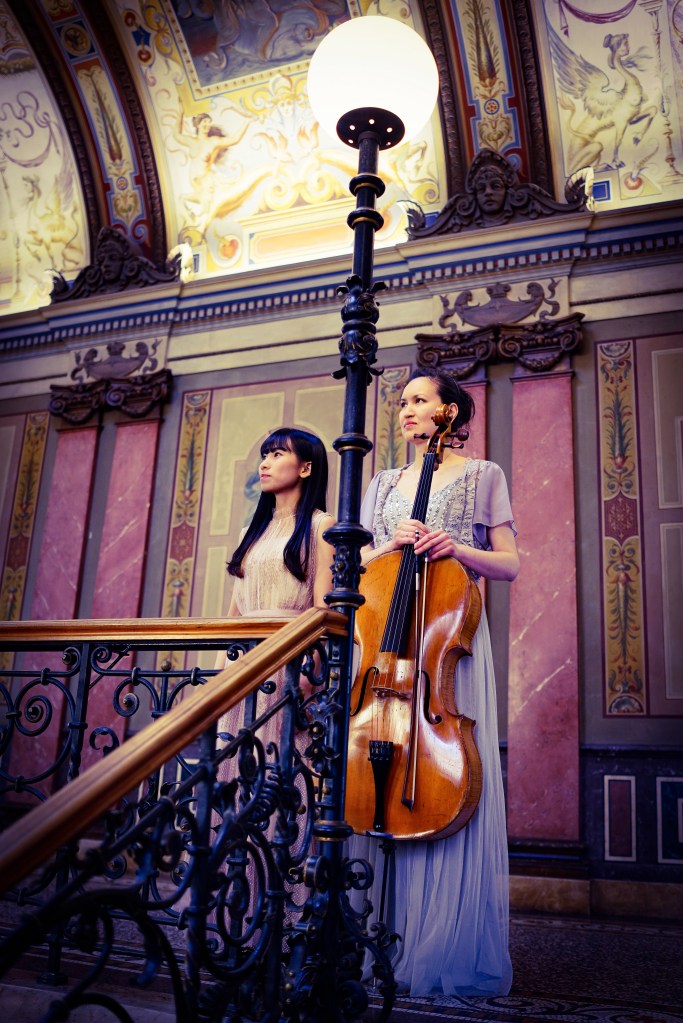
Eine Entdeckungsreise durch die Zentren europäischer Kultur mit der einzigartigen Mischung aus Mystik, Abenteuer, Exotik und Nostalgie. Mit diesem Programm begeben wir uns auf die Spuren der berühmtesten und legendärsten Zugverbindung der Welt. Bekannt geworden ist der Orient-Express vor allem durch Agatha Christies Kriminalroman “Mord im Orient-Express”. Der Orientexpress verließ erstmals 1883 den Pariser Bahnhof in Richtung Konstantinopel. Zu jeder Station des Zuges erklingt Musik, die von Frankreich aus immer weiter in den Osten Europas entführt bis hin zur orientalisch geprägten Endstation, dem heutigen Istanbul.
Einsteigen bitte! Ihr Zug fährt ab!
Programm:
Claude Debussy I Intermezzo für Violoncello und Klavier
Gabriel Fauré I Pavane
Erik Satie I Gnossienne No. 1
Gustav Mahler I Lieder eines fahrenden Gesellen
Johannes Brahms I Ungarischer Tanz No. 1 in g-moll
Franz Liszt I Ungarische Rhapsodie No. 2
Doina I Improvisation im rumänischen Volksliedstil
Béla Bartók I 6 Rumänische Volkstänze
Ernest Bloch I Prayer – from Jewish Life No. 1 (Gebet – aus jüdischem Leben No. 1)
César Cui I Orientale op. 50, No. 9
Sergei Rachmaninow I Danse Orientale op. 2, No. 2
Üsküdar’a Gider İken („Auf dem Weg nach Üsküdar“) I Türkisches Volkslied
Dauer: 2 x 40 Minuten
HOMMAGE À LA BELLE ÉPOQUE
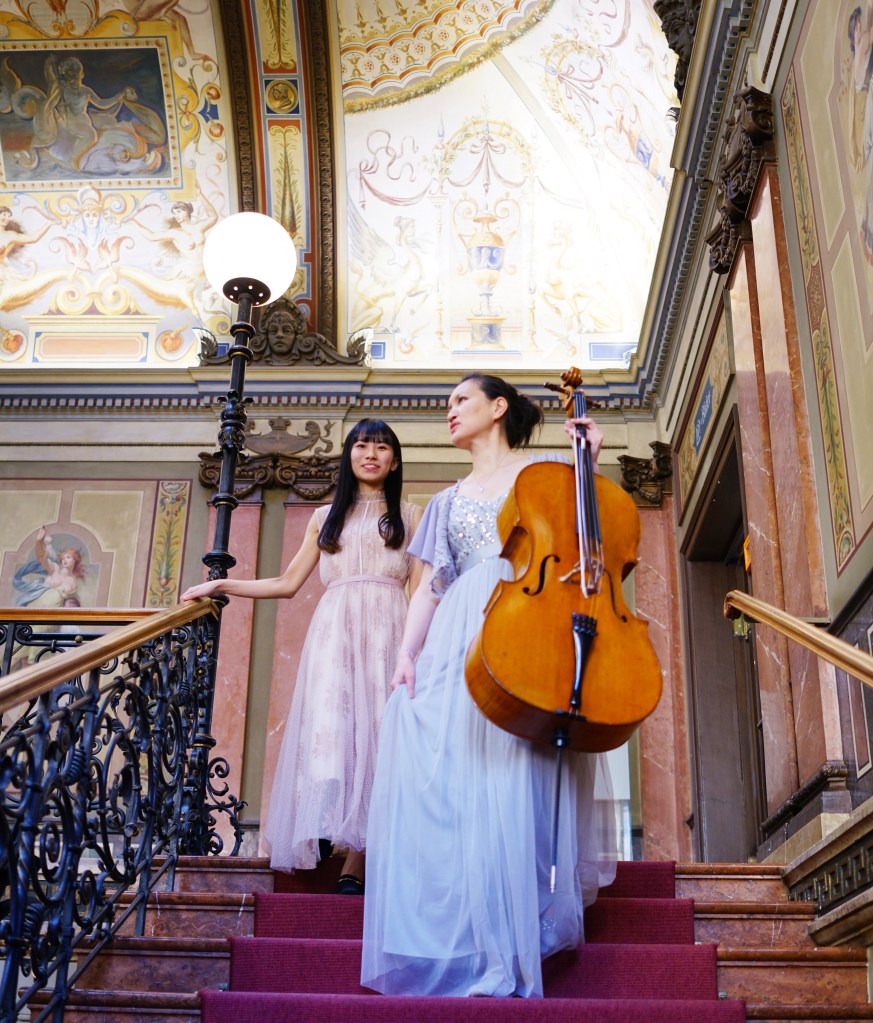
Die Belle Époque, eine Zeit der Euphorie und hochdynamischer kulturellen Entwicklung in Europa, wo Paris nicht nur die unumstrittene Weltmetropole der Künste und des Vergnügens war, sondern auch die prachtvollste und modernste Hauptstadt Europas. Etwa 30 Jahre sollte dieser Zeitraum umfassen, vom späten 19. Jahrhundert bis zum Ausbruch des Ersten Weltkriegs.
Auch in der Musik ist sie als ein wichtiges Element im Übergang von der Spätromantik zum Impressionismus.
Das blühende Paris der Belle Époque singt von Liebe, Lebensgenuss und Sorglosigkeit.
Doch wie klang dieses Zeitalter?
In diesem Programm ist populäres und rares Repertoire vereint, das in dieser „goldenen“ Zeitspanne entstanden ist und uns in die Pariser Salons und in diese kulturelle Atmosphäre transportiert.
Programm:
Claude Debussy I Intermezzo für Violoncello und Klavier
Gabriel Fauré I Romance in A-Dur, op. 69
Maurice Ravel I Pavane pour une infante défunte
Jules Massenet I Fantaisie pour Violoncelle et Piano
César Franck I Sonate in A-Dur (Version für Klavier und Cello)
Dauer: 2 x 40 Minuten
Medina Kulova Violoncello
Kie Kojima Klavier
Termine auf Anfrage
____________________
Fotos: Tasuku Noguchi
Cello & Piano Duo
ORIENT-EXPRESS
Paris – Constantinople
A journey of discovery through the centers of European culture with a unique mixture of mysticism, adventure, exoticism and nostalgia. With this program we follow in the footsteps of the most famous and legendary train connection in the world. The Orient Express is best known for Agatha Christie’s crime novel “Murder on the Orient Express”. The Orient Express left the Paris train station for the first time in 1883 in the direction of Constantinople. Music sounds at every station of the train, which takes you from France further and further into Eastern Europe to the oriental terminus, today’s Istanbul.
All aboard! Train departing!
Program:
Claude Debussy I Intermezzo for Cello and Piano
Gabriel Fauré I Pavane
Erik Satie I Gnossienne No. 1
Gustav Mahler I Lieder eines fahrenden Gesellen (Songs of a Wayfarer)
Johannes Brahms I Hungarian Dance No. 1 in g-moll
Franz Liszt I Hungarian Rhapsody No. 2
Doina I Improvisation in a Romanian Folk Song Style
Béla Bartók I 6 Romanian Folk Dances
Ernest Bloch I Prayer – from Jewish Life No. 1
César Cui I Orientale op. 50, No. 9
Sergei Rachmaninow I Danse Orientale op. 2, No. 2
Üsküdar’a Gider İken („While going to Üsküdar“) I Turkish Folk Song
Duration: 2 x 40 minutes
HOMMAGE À LA BELLE ÉPOQUE
The Belle Époque, a time of euphoria and highly dynamic cultural development in Europe, where Paris was not only the undisputed world metropolis of arts and entertainment, but also the most magnificent and modern capital of Europe. This period lasted about 30 years, from the late 19th Century to the outbreak of the First World War.
In music, too, it is an important element in the transition from late Romanticism to Impresionism.
The blossoming Paris of the Belle Époque sings about love, enjoyment of life and carelessness.
But how did this age sound?
This program combines popular and rare repertoire that was created in this “golden” period and transports us to the Parisian salons and this cultural atmosphere.
Program:
Claude Debussy I Intermezzo for Cello and Piano
Gabriel Fauré I Romance in A-Dur, op. 69
Maurice Ravel I Pavane pour une infante défunte
Jules Massenet I Fantaisie pour Violoncelle et Piano
César Franck I Sonata in A-Dur (Version for Piano and Cello)
Duration: 2 x 40 minutes
Medina Kulova Cello
Kie Kojima Piano
Dates upon request
_____________________
Photos: Tasuku Noguchi
GET IN TOUCH
↓
 Medina Kulova